Unveiling the Truth About Cat Dental Cleaning: A First-Hand Guide to Feline Oral Health
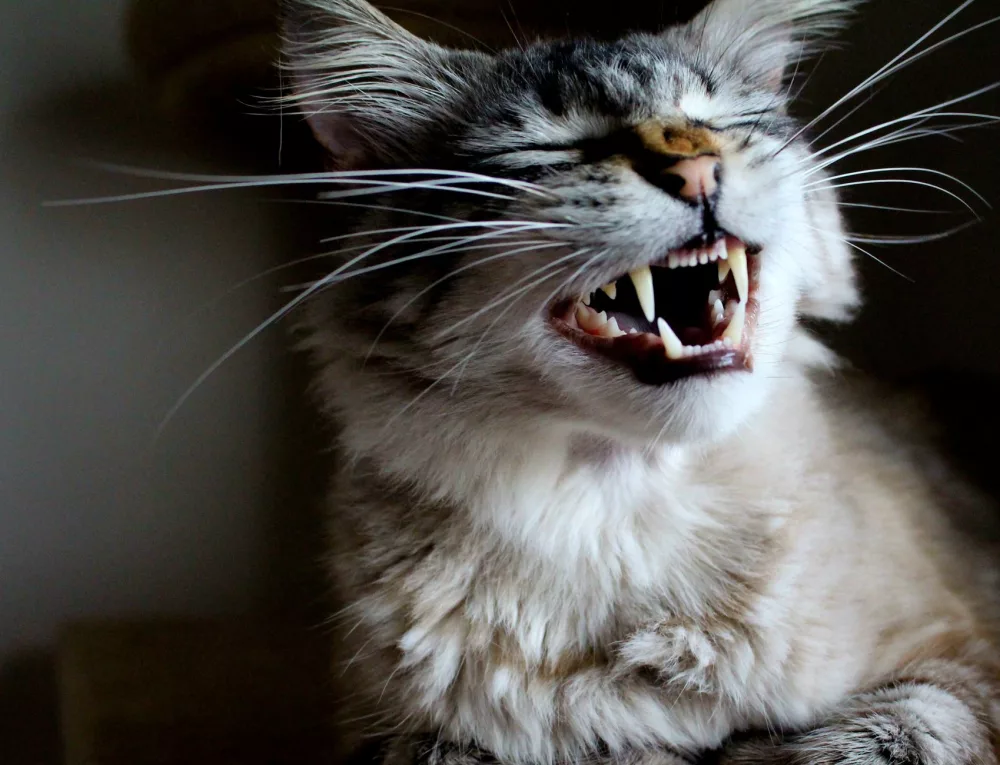
I remember the first time I truly understood the critical importance of cat dental cleaning. It wasn't in vet school, nor was it from reading a textbook. No, it was with my own beloved senior cat, Mittens, a sweet, fluffy Persian who, despite my best efforts with occasional brushing, developed quite a nasty case of dental disease. Her breath had become, well, let's just say unforgettable, and she'd started being a bit finicky with her food. That's when I realized, with a sinking feeling, that I hadn't been doing enough. Her oral health, something I'd perhaps taken for granted, was deteriorating right before my eyes. What followed was a journey of understanding, and ultimately, relief, that I want to share with you. It really opened my eyes, and I bet it'll open yours too.
Why We Can't Ignore Feline Dental Health
It's easy to dismiss a bit of bad breath in our furry friends, isn't it? We might think, "Oh, he just ate something smelly," or "She's an old cat, it's normal." But believe me, that foul odor emanating from your cat's mouth, often called halitosis, is rarely normal. It's usually the first, most obvious sign of dental disease. And this isn't just about stinky kisses; it's about their overall health. You see, the mouth is a gateway to the rest of the body. Periodontal disease, which starts as gingivitis (inflammation of the gums) and progresses to involve the bone and other supporting structures around the teeth, allows bacteria to enter the bloodstream. Once those pesky bacteria are circulating, they can wreak havoc on vital organs like the heart, kidneys, and liver. It's a silent threat, often progressing unnoticed until significant damage has been done.
"An ounce of prevention is worth a pound of cure," they say, and nowhere is that truer than in veterinary dentistry. Waiting until your cat is in obvious pain or discomfort means we're often dealing with advanced issues that are far more challenging, and expensive, to treat.
Spotting the Trouble: Signs Your Cat Needs a Dental Check-Up
Our cats are masters of disguise, aren't they? They're hardwired to hide discomfort, a survival instinct from their wild ancestors. So, by the time you notice any of these signs, the dental disease might be quite advanced. That's why regular veterinary check-ups are absolutely non-negotiable. But here are some things I've learned to watch for at home:
- Bad Breath (Halitosis): This is truly the most common sign. If it's consistently foul, it's a red flag.
- Red or Swollen Gums: Take a peek. Healthy gums are pale pink. If they're angry red, especially along the tooth line, that's gingivitis.
- Pawing at the Mouth or Face: My Mittens started doing this. It's a clear sign of pain or irritation.
- Difficulty Eating or Dropping Food: You might notice them chewing on one side of their mouth, or simply backing away from their food bowl, even if they seem hungry.
- Decreased Appetite: Painful teeth make eating a chore.
- Excessive Drooling: Sometimes, this saliva might even have a reddish tint if there's bleeding.
- Loose or Missing Teeth: This indicates severe periodontal disease.
- Changes in Behavior: Lethargy, irritability, or reluctance to be petted around the face can all be subtle indicators of oral pain.
The Dental Cleaning Process: What Really Happens
Okay, let's talk about the actual dental cleaning, because I know this is where many cat owners get a little anxious. The biggest concern I hear is always about the anesthesia. And I get it! Giving anesthesia to a beloved pet can feel scary. But honestly, it's absolutely essential for a thorough and safe dental cleaning. Imagine trying to get your cat to sit still with their mouth wide open while a veterinary professional scrapes tartar off their teeth with sharp instruments. It's just not going to happen safely, and you can't properly clean under the gum line without it. This procedure isn't like a quick nail trim; it requires immense precision.
Anesthesia: Addressing Your Concerns
- Pre-Anesthetic Blood Work: Before anything happens, we always recommend pre-anesthetic blood tests. This gives us a really good look at your cat's organ function – kidneys, liver, etc. – helping us tailor the anesthetic protocol to their specific needs and minimize risks.
- IV Catheter and Fluids: An intravenous catheter is placed to provide fluids during the procedure. This helps maintain blood pressure and hydration, and it also gives us immediate access to administer emergency medications if needed.
- Monitoring: During the procedure, your cat is continuously monitored by a dedicated veterinary technician. They're watching heart rate, respiratory rate, blood pressure, oxygen saturation, and body temperature. It's incredibly thorough, just like human anesthesia!
- Pain Management: Pain relief is administered before, during, and after the procedure. We want your cat to be as comfortable as possible.
The Actual Cleaning: More Than Just Brushing
Once your cat is safely under anesthesia, the real work begins. It’s far more involved than what we do with a toothbrush at home.
- Full Oral Exam: The vet will perform a complete examination of the entire oral cavity, probing each tooth, checking for pockets under the gum line, and looking for any lesions, masses, or abnormalities.
- Dental Radiographs (X-rays): This is a crucial step that often gets overlooked by owners. Over two-thirds of dental disease in cats happens below the gum line, completely invisible to the naked eye. Dental X-rays reveal things like bone loss, root resorption (a common and very painful feline condition where the tooth structure breaks down), unerupted teeth, and abscesses. I can't stress enough how important these X-rays are; without them, we're really flying blind.
- Scaling: Using specialized ultrasonic and hand scalers, tartar and plaque are meticulously removed from the tooth surfaces, both above and, critically, below the gum line. This subgingival cleaning is where the bulk of the periodontal disease resides.
- Polishing: After scaling, the teeth are polished. This smooths out any microscopic etches on the tooth surface left by the scaling, making it harder for plaque to adhere again.
- Extractions: If dental radiographs or the oral exam reveal severely diseased, painful, or non-restorable teeth, extractions are performed. This might sound drastic, but removing a source of chronic pain and infection significantly improves your cat's quality of life. Cats do remarkably well, even after multiple extractions, adapting quickly to eating softened food.
Post-Procedure Care and Prevention at Home
When Mittens came home after her dental, she was a little groggy, but within a day or two, I saw such a difference. She was more playful, her appetite returned with gusto, and that terrible breath was gone! The recovery is usually quite smooth, especially with good pain management.
You'll typically receive instructions for post-op care, which might include giving soft food for a week or two, and administering any prescribed medications. But the biggest take-away? This isn't a one-and-done situation. Dental health is an ongoing commitment. Here's what I recommend to help keep those pearly whites sparkling:
- Daily Tooth Brushing: This is the gold standard. Start slowly, use a feline-specific toothbrush and toothpaste (never human toothpaste!), and make it a positive experience. Even a few seconds of brushing on the outer surfaces of the teeth can make a huge difference.
- Dental Diets and Treats: Look for products with the Veterinary Oral Health Council (VOHC) seal of acceptance. These products have been scientifically proven to reduce plaque and tartar accumulation.
- Dental Wipes or Gels: If brushing is a battle you just can't win, these can be good alternatives, although generally less effective than brushing.
- Regular Veterinary Check-Ups: Your vet will assess your cat's oral health at every annual exam and recommend professional cleanings as needed. Some cats need them every year, others might go a bit longer.
Taking care of your cat's teeth isn't just about preventing bad breath; it's about investing in their longevity and comfort. It's about ensuring they live a happy, pain-free life. Trust me, it's worth every bit of effort. Mittens is living proof.
About Editorial Team
Senior columnist and culture critic specializing in architectural designs, emerging high-growth systems, and contemporary philosophies.
Contact Desk
Have an editorial inquiry or custom partnership idea? Reach our team directly.